Ecommerce Website Design · NZ Wide
An online store is easy.
Getting found isn't.
Anyone can put an online store live in a weekend. We build ecommerce sites with the product depth, collection content and structured data that actually ranks on Google and reads properly in AI search. From $4,000, and you own the lot.
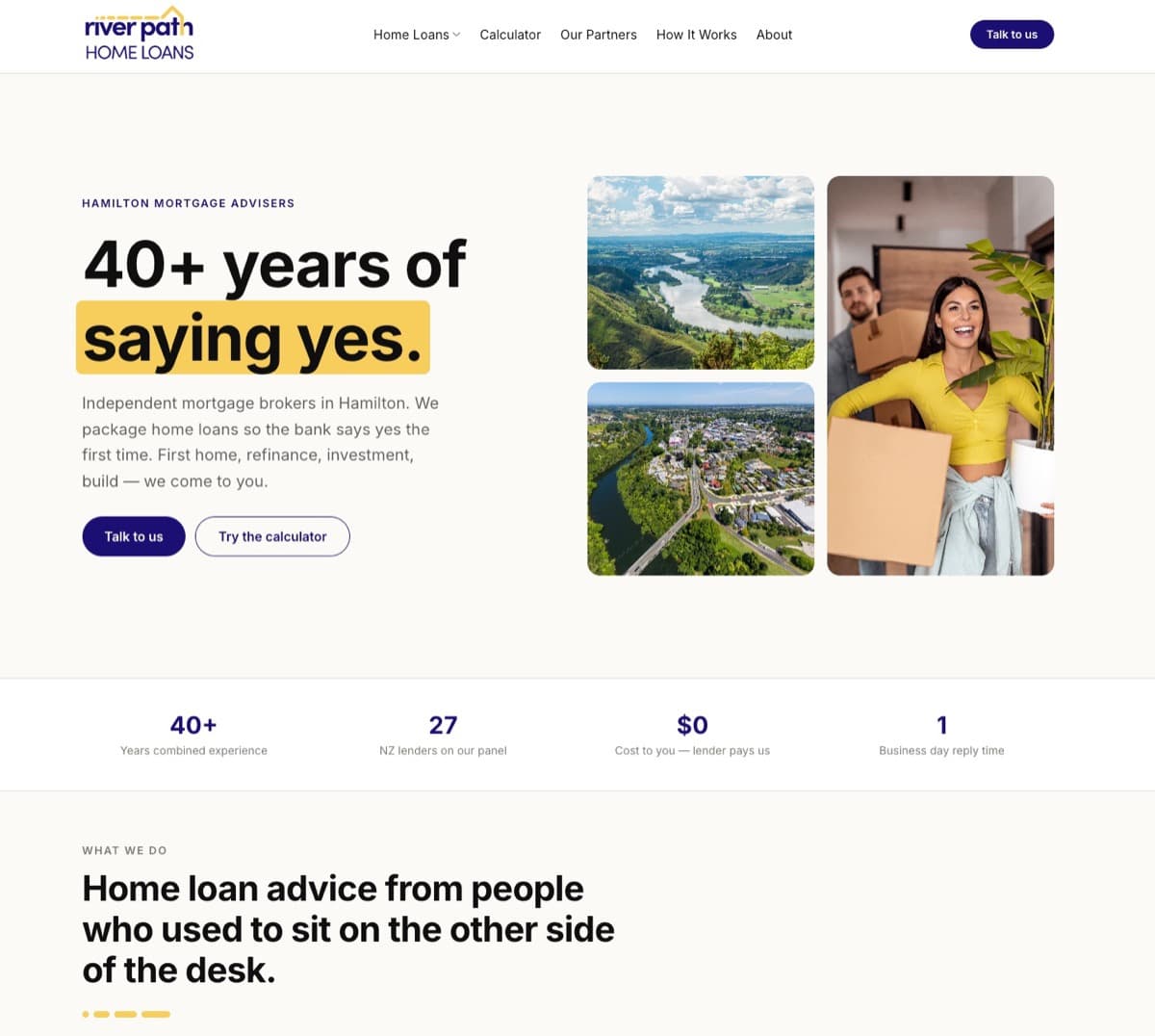
River Path Home Loans

Manta5 Hydrofoils
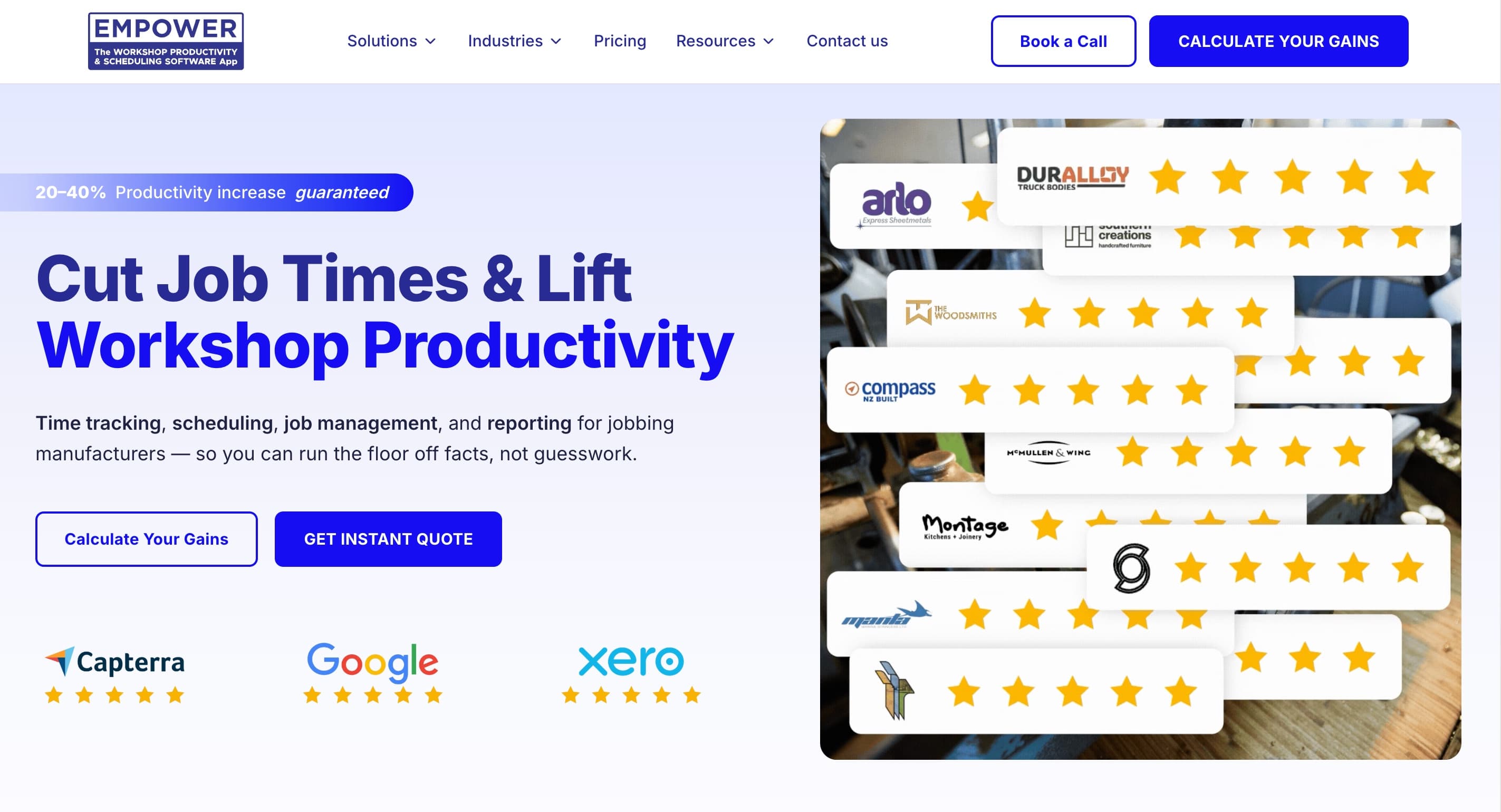
Empower Software
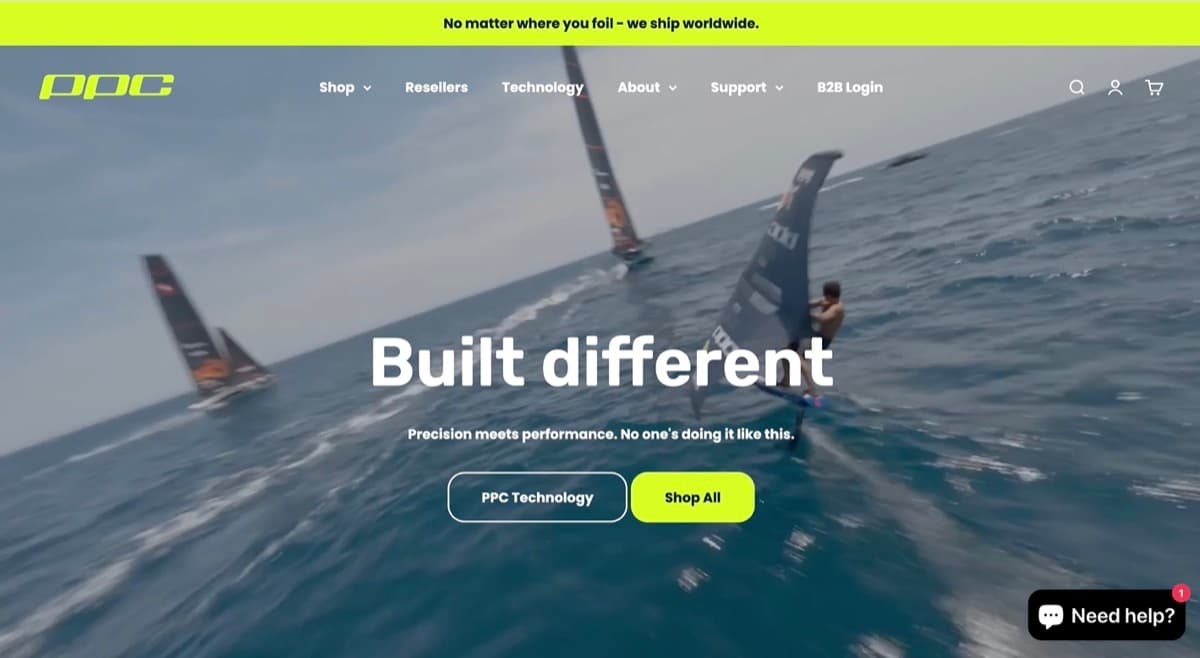
PPC Foiling
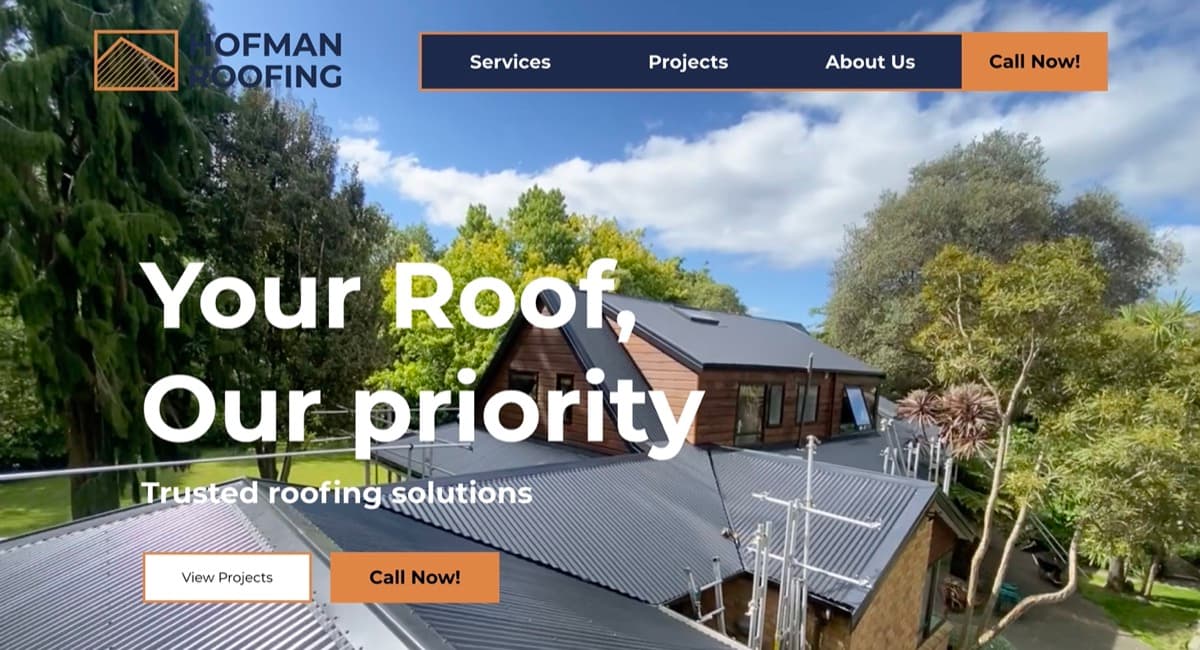
Hofman Roofing
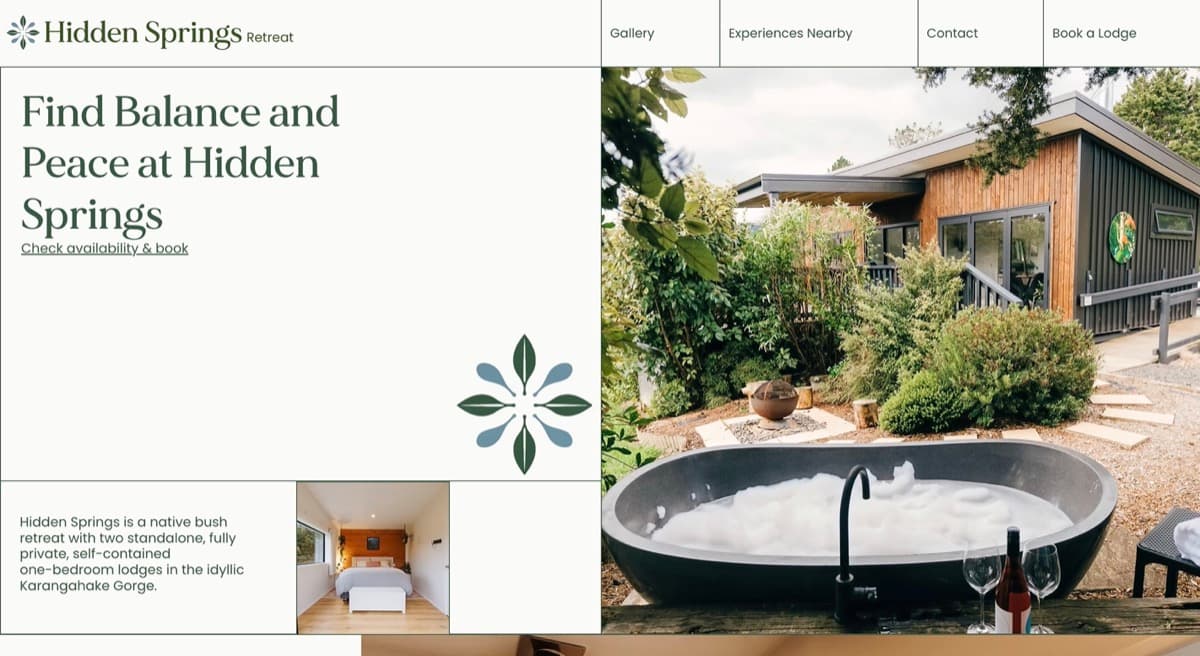
Hidden Springs
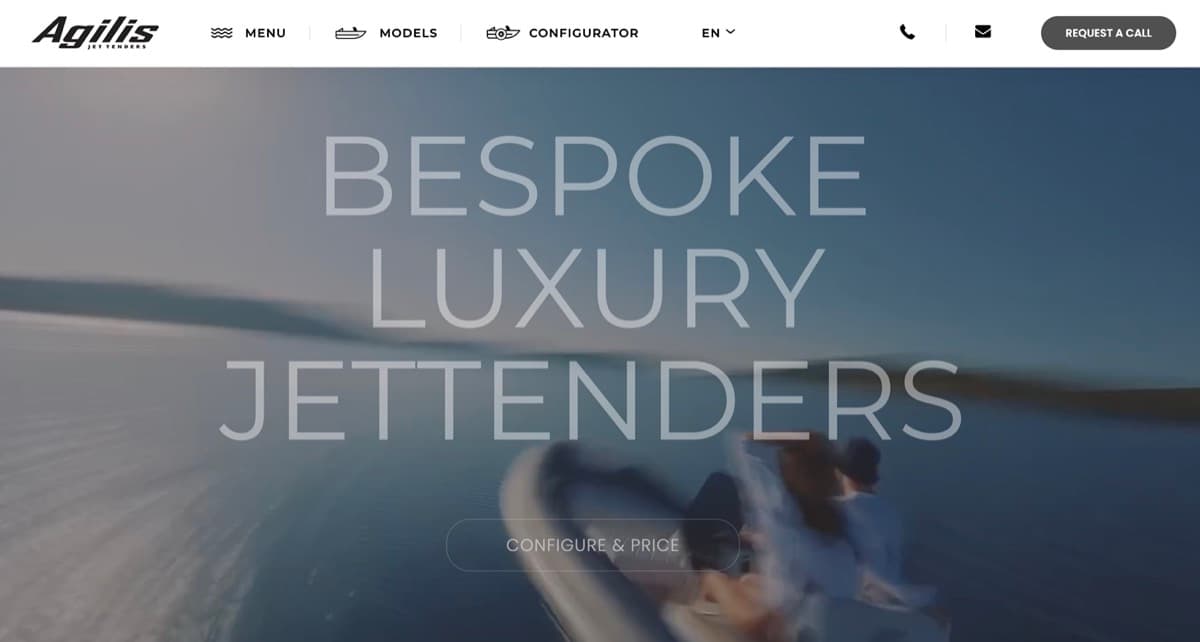
Agilis Consulting
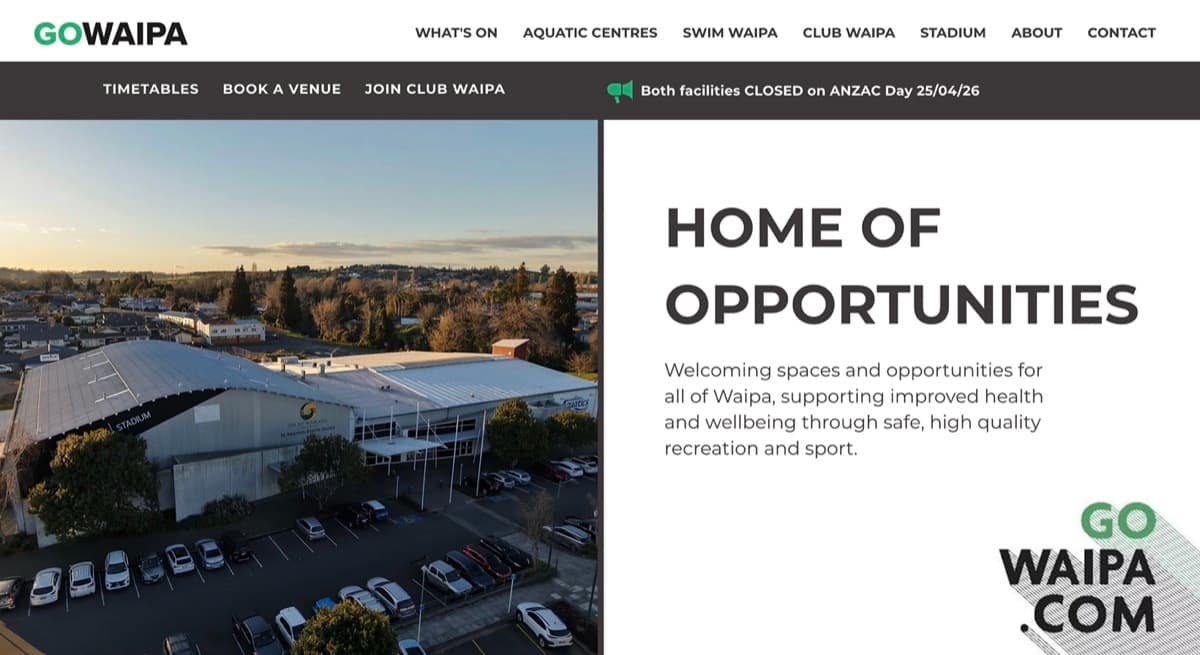
Go Waipa

Presto Dryer
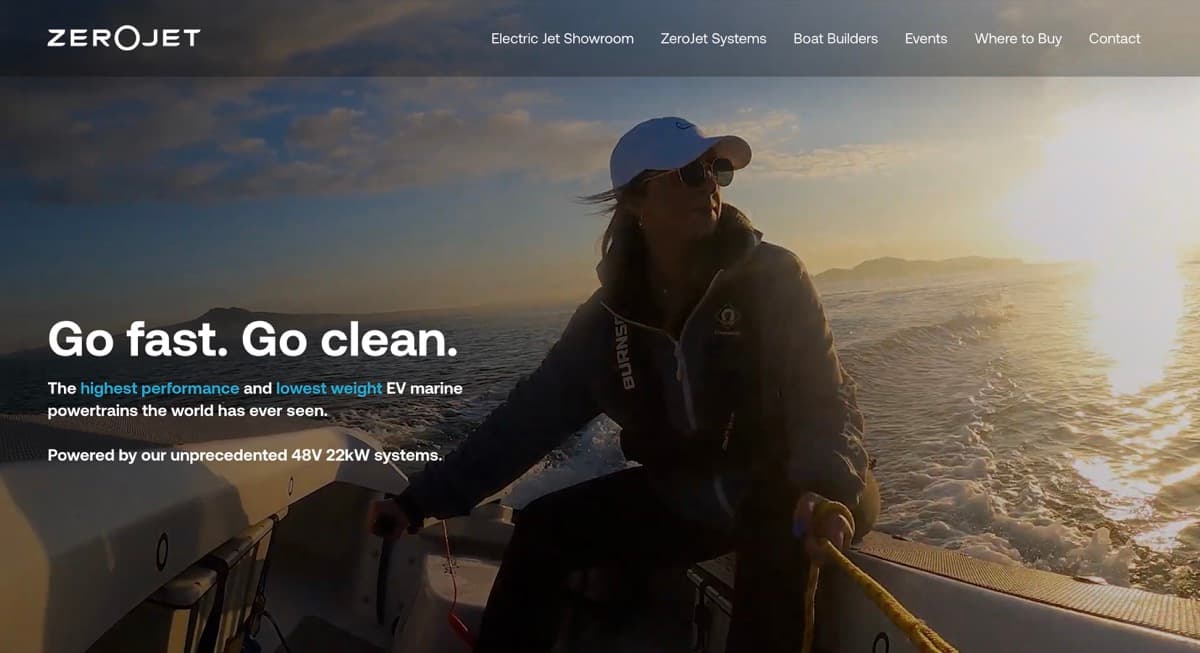
ZeroJet
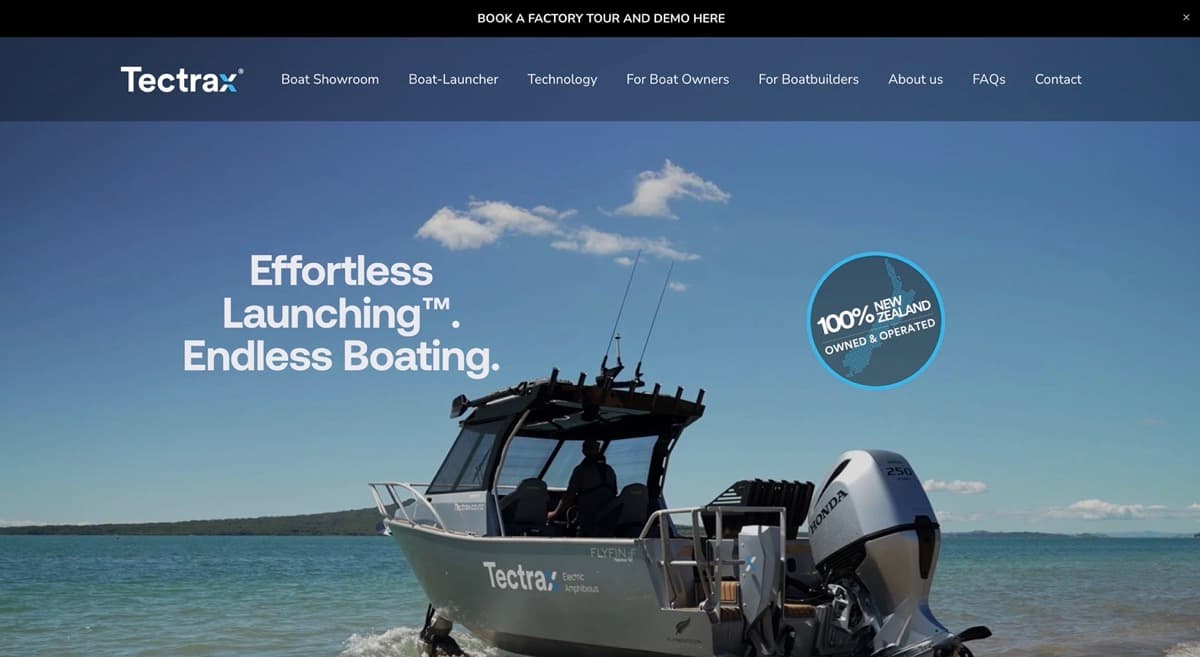
Tectrax
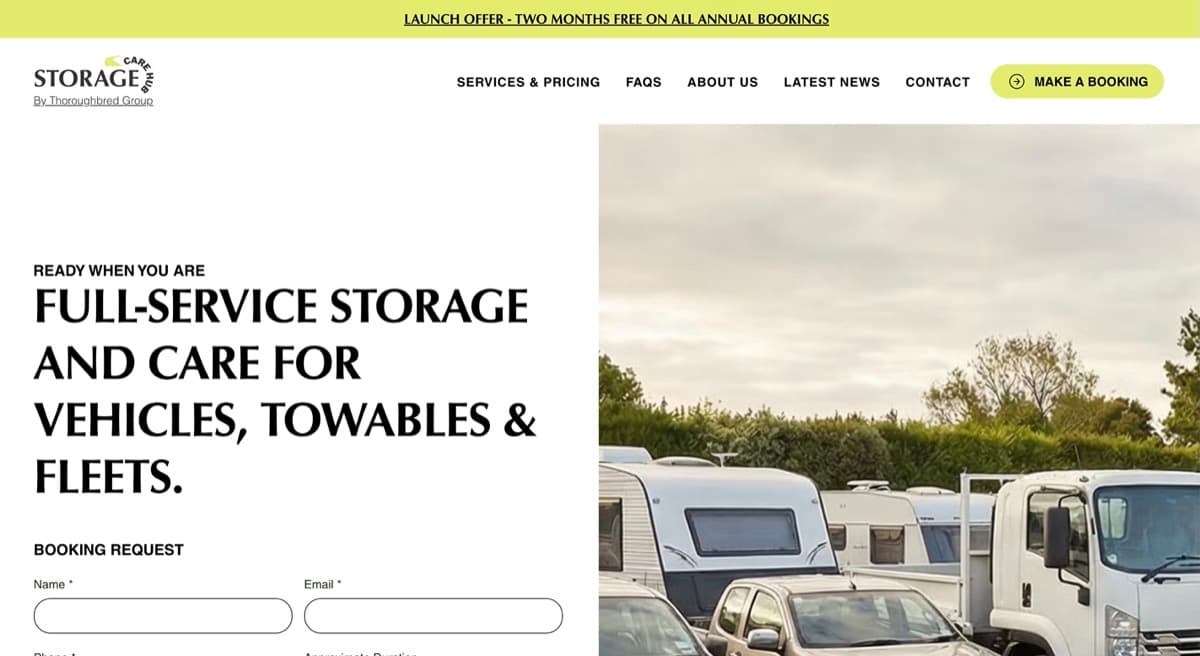
Storage Care Hub
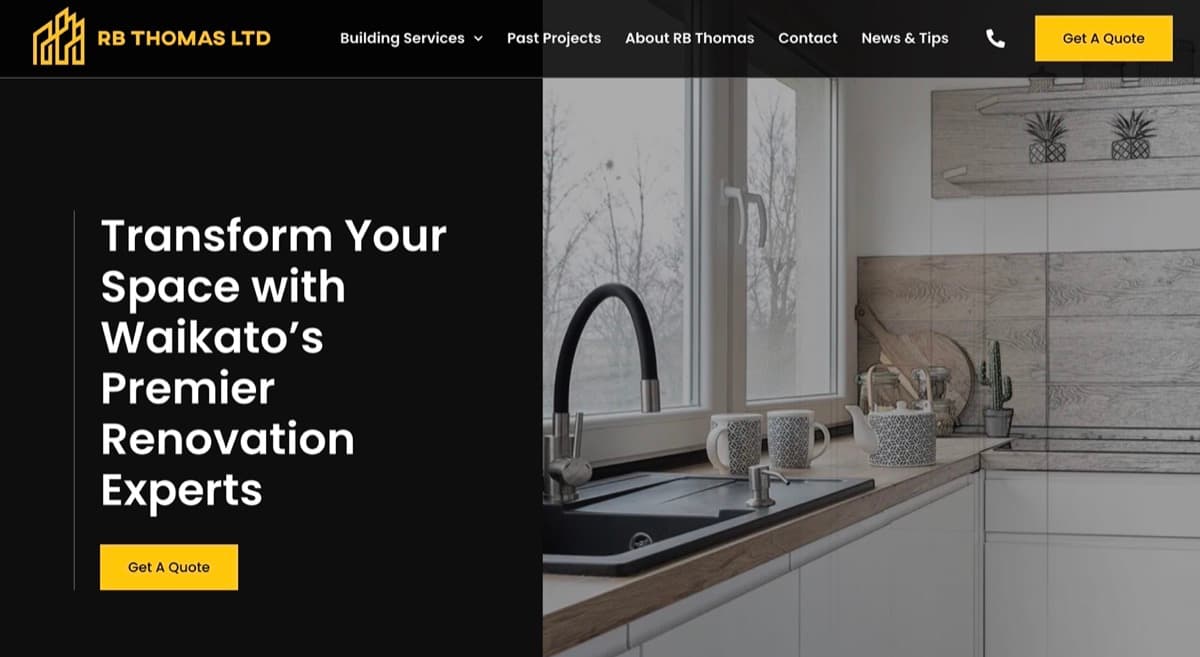
RB Thomas Builders
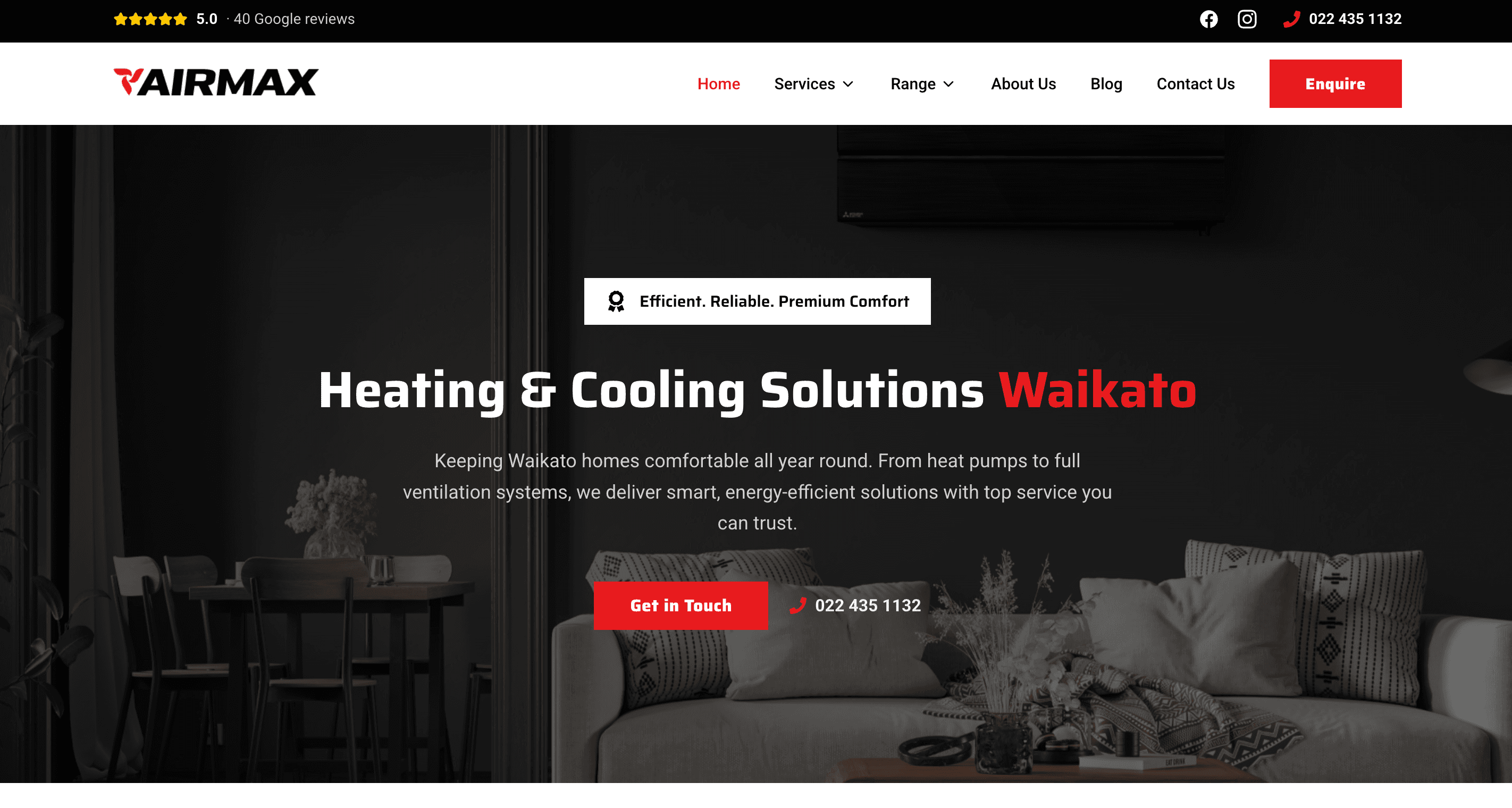
Airmax Website
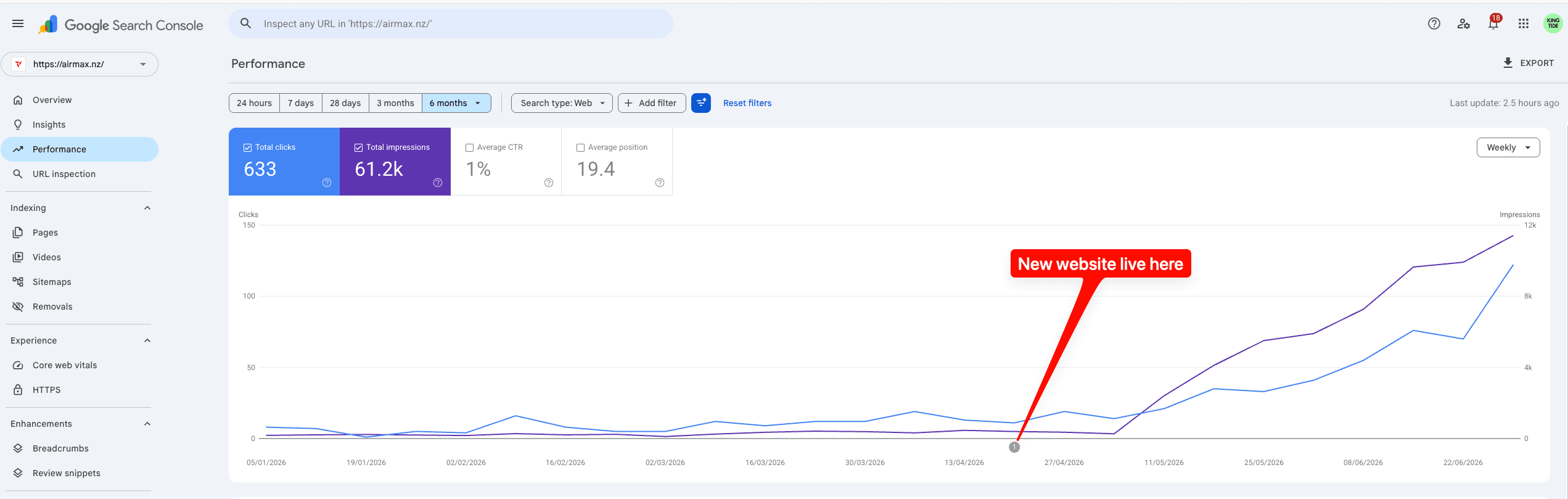
Airmax - 10x Visibility in 28 Days
A Store We Actually Run
Seven dealers became ninety-five.
PPC Foiling is a Kiwi wing foiling brand, good enough that America's Cup skipper Jimmy Spithill invested in it. Their Shopify store is the heart of the direct-to-consumer business, and it runs alongside a dealer portal serving the wholesale side.
Google Merchant Center feeds put the catalogue into Google Shopping. Klaviyo handles retention and repeat purchase. Meta and Google Ads fill the top of the funnel while the store's own content does the converting. Since 2024 the brand has gone from around 7 dealers to roughly 95 across North America and Europe.
The platform was never the constraint. The system around it was what needed building.
Why Stores Plateau
Six reasons your ecommerce site only sells to people who already know you.
The pattern is always the same. Store launches, looks great, sells to your existing audience, then organic traffic flatlines. Here's what's usually behind it.
Thin product pages
Your theme gives you a title, a price, and three sentences. Google has nothing to rank. Meanwhile the retailer above you has 800 words of specs, FAQs and buying guidance on the same product.
Empty collection pages
Collections are the biggest ranking asset an online store has, because they match how people actually search - "wing foil boards nz", not a specific SKU. Most themes render them as a grid of images with no words on the page at all.
The blog nobody writes
Every store platform ships with a blog and almost nobody uses it. That's where "how to choose", "X vs Y" and "best for beginners" get answered, and those searchers are your next customers a month before they buy.
Template sameness
Ten thousand other stores run your theme. Nothing in the structure tells Google your store is the authority in its niche rather than the eight thousandth install of the same layout.
No structured data
Without product, offer and review schema, Google can't show your price or your stars in results, and AI assistants can't read your catalogue at all. Most stores we audit have none of it.
Nothing wired together
Products, collections and posts sitting as islands. No internal linking means no authority flowing to the pages that actually take money off people.
None of this is the platform's fault. A builder built you a store, and it did that well. Depth is a content problem, and content at the depth Google rewards is exactly what a business owner never has time to produce. That part is what changed.
The Process
Built to sell, then built to be found.
Any agency can get a store live. The work that decides whether it earns anything happens in week two.
01
Plan the Catalogue
Week 1
We map what people search before they buy, then work out which collections, products and guides need to exist to catch them. Platform decision happens here too, and it's an honest one - Shopify for most product businesses, custom when content is the growth engine.
02
Build It With Depth
Weeks 2-4
Store build, then the part most agencies skip: keyword-mapped descriptions across the whole catalogue, real buying content on collection pages, and product, offer, review and FAQ schema throughout. AI does the heavy lifting, which is why a 200-product catalogue is no longer a $15k copywriting project.
03
Launch & Feed It
Week 5
Payments, shipping and inventory tested, Google Merchant Center feed connected so the catalogue lands in Google Shopping, analytics wired, and every page pushed into the index. Then we train you to run it yourself.
When Not To
When an online store is the wrong answer.
You don't really sell products. Trades, professional services and consultants end up paying a monthly fee for an ecommerce engine they never use, then fighting a product-shaped structure. A custom site ranks better and costs less to run.
You sell two things and take payment by invoice. A cart adds friction and admin for no return. A good enquiry page will out-earn it.
Your existing store is fine and just invisible. That's a content and schema job, not a rebuild, and we'll quote it as the smaller piece of work it is. Sometimes the answer is that your store is fine - we'll say that too.
Our Work
Stores and sites for NZ businesses.
AI-assisted builds. Fast, search-optimised, and handed over so the owner can edit themselves.
PPC Foiling
ZeroJet
Agilis Jettenders
Tectrax
Manta5
Hidden Springs Retreat
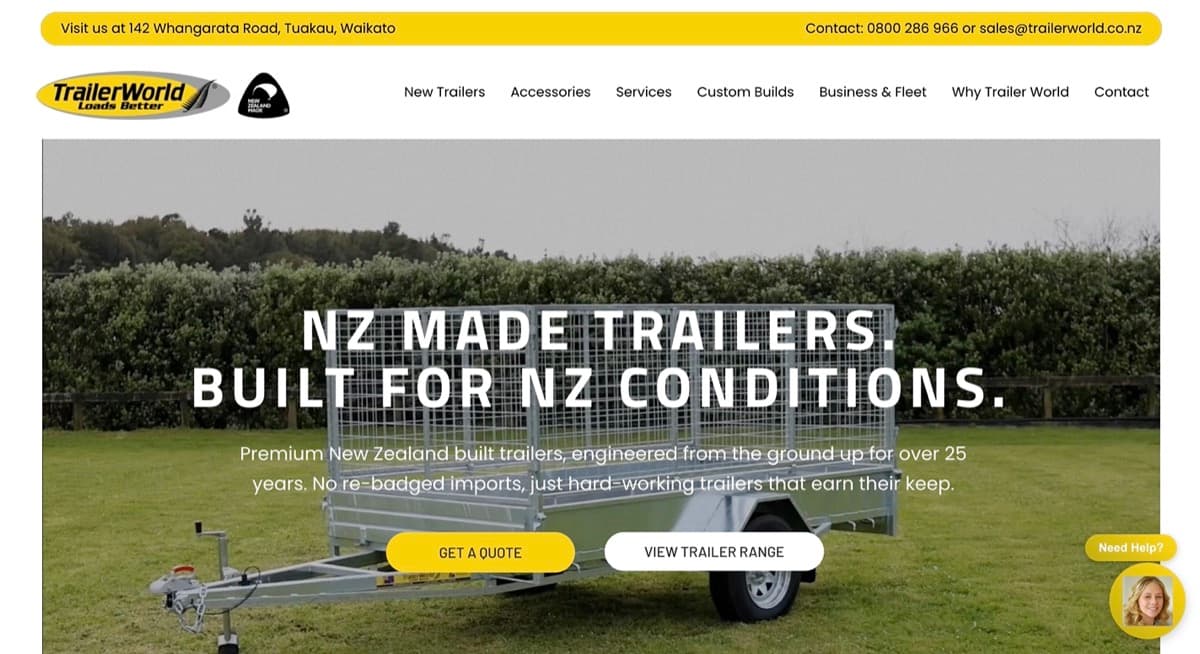
Trailer World
Empower Software
Common ecommerce questions.
How much does an ecommerce website cost in NZ?
Ecommerce builds start from $4,000, which covers a full online store plus up to 100 pages targeting search and AI terms. You get a fixed price before we start, no hourly-rate mystery. If you want the store to keep growing after launch - new collections, guides, product content - that's $500/month, and it's optional.
Shopify or a custom build?
Shopify, for most product businesses. We say that as an agency that builds custom sites for a living: its checkout, payments, inventory and app ecosystem are years ahead of anything you could justify building yourself. Custom makes sense when content is your growth engine and you need total control over structure and speed. We'll tell you which one you are before you spend anything.
I already have a store and it gets no traffic. Can you fix it rather than rebuild?
Usually yes, and it's often the cheaper answer. The most common problem isn't the store, it's that there's nothing on the pages for Google to rank. We audit what you've got, and if the bones are fine we add the depth - product content, collection pages, schema, internal linking - instead of charging you for a rebuild you don't need.
Will my products show up in AI answers like ChatGPT and Google's AI Overviews?
That's largely a structured data question, and it's the thing most stores get wrong. Product, offer and review schema is how an AI assistant reads what you sell, what it costs and whether it's in stock. We put it across the whole catalogue as standard. It's also what gets prices and star ratings showing in normal Google results.
Can you move me off WooCommerce, Wix, Squarespace or BigCommerce?
Yes, and migrations are a good chunk of our ecommerce work. Products, collections, customers and orders come across, and every old URL gets mapped to its new home with a 301 redirect so you keep the rankings you already have. Your current store stays live until the new one is ready to switch.
How long does an online store take to build?
Most stores launch in about five weeks from kickoff. Big catalogues with a lot of migration take longer, but the catalogue size affects the content work more than the build itself, and that part is faster than it used to be.
Do you do Google Shopping and product feeds?
Yes. A Google Merchant Center feed is part of a proper launch, not an upsell - it's how your catalogue gets into Google Shopping. We run this for PPC Foiling alongside Meta and Google Ads and Klaviyo email automation, so the store, the feed and the campaigns are all pointing the same direction.
Will I own the store and be able to edit it myself?
Yes. You own the store, the domain, the content and the accounts, and there are no lock-in contracts on anything we do. Full handover with training, so adding products, changing prices and publishing content takes you minutes rather than an invoice.
Related services & reading
More on building stores and sites that earn their keep.
Case Studies
Real results from real businesses.
View all →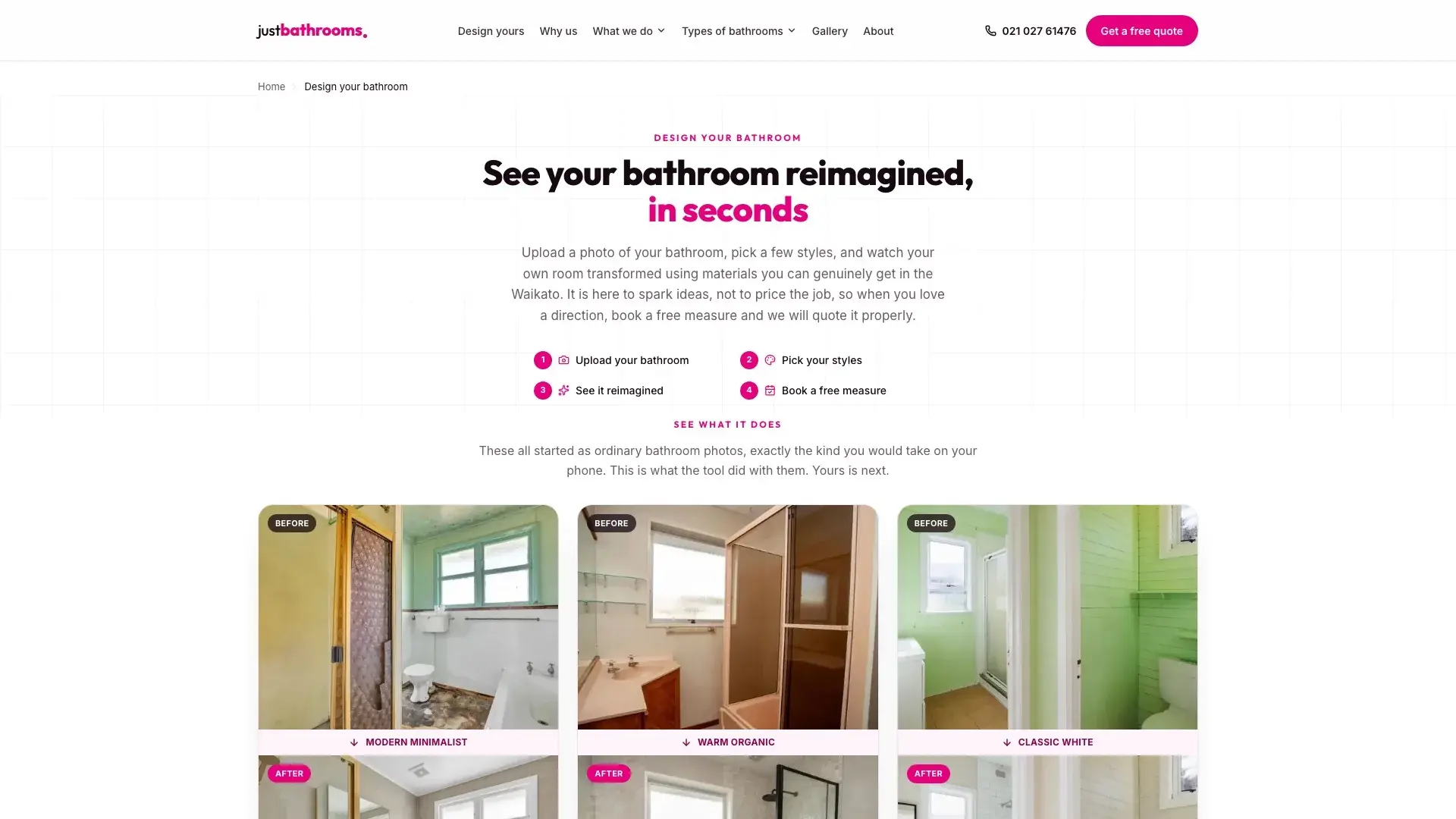
Just Bathrooms
A brand new bathroom renovation business launched with a 48-page search-built website and an AI tool that reimagines a customer's actual bathroom in seconds.
48
Pages live at launch
~13s
To reimagine a bathroom
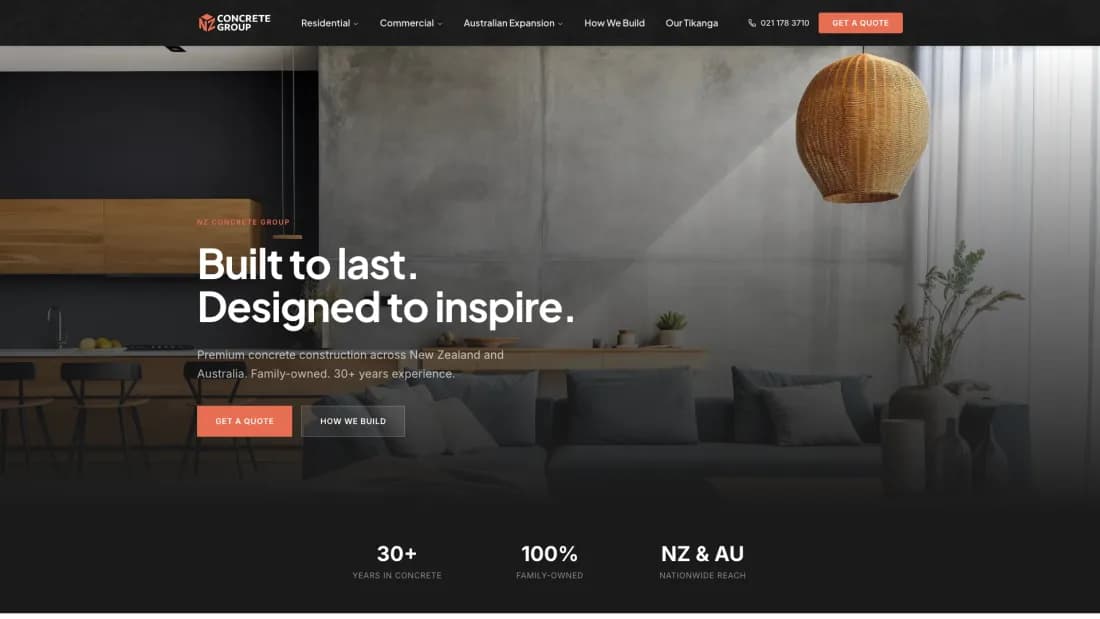
NZ Concrete Group
A 22-page Wix site replaced with a 49-page search-optimised website, live in six days. Google impressions up more than five times over in the first seven weeks.
5.6x
Google impressions, first 7 weeks
2.9x
Clicks, first 7 weeks
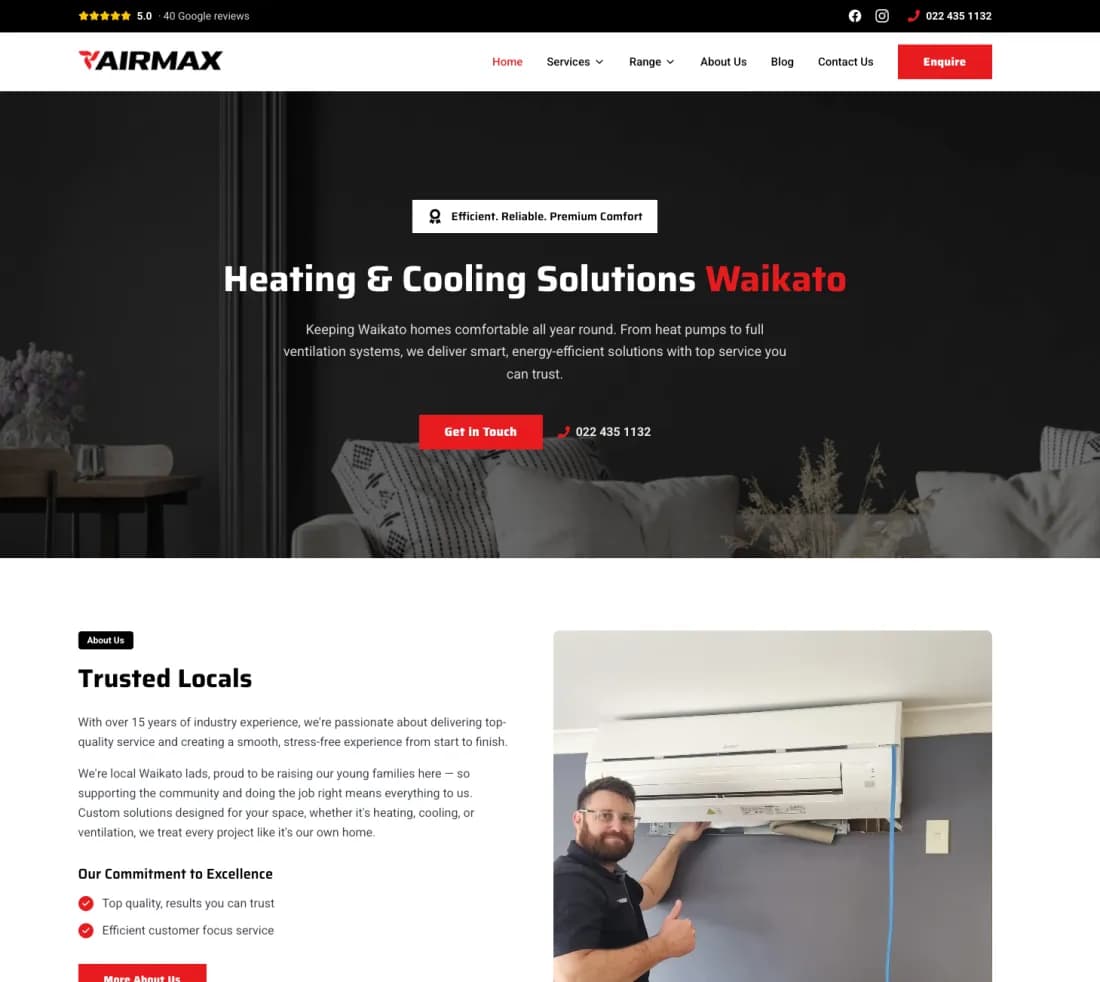
Airmax
A basic WordPress site replaced with a 98-page, search-optimised website - built with AI. Two months later: search visibility up 29x, Google clicks up 6x, and the phone doesn't stop.
1 → 10+
Calls per day
29x
Search visibility, 2 months
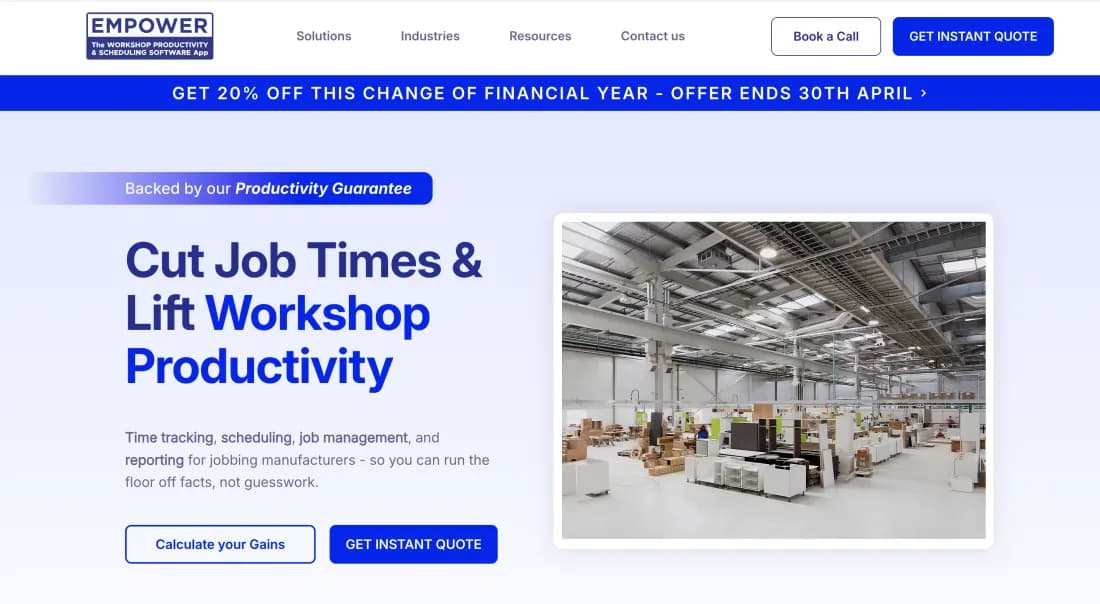
Empower Software
A workshop-software company with a tight ad budget and a flat year behind it. Three months later: a paid lead engine that scales, a search-optimised site pulling free organic traffic, and the first leads landing in Australia.
31
Qualified workshop leads, first 3 months
~$102
Cost per qualified lead
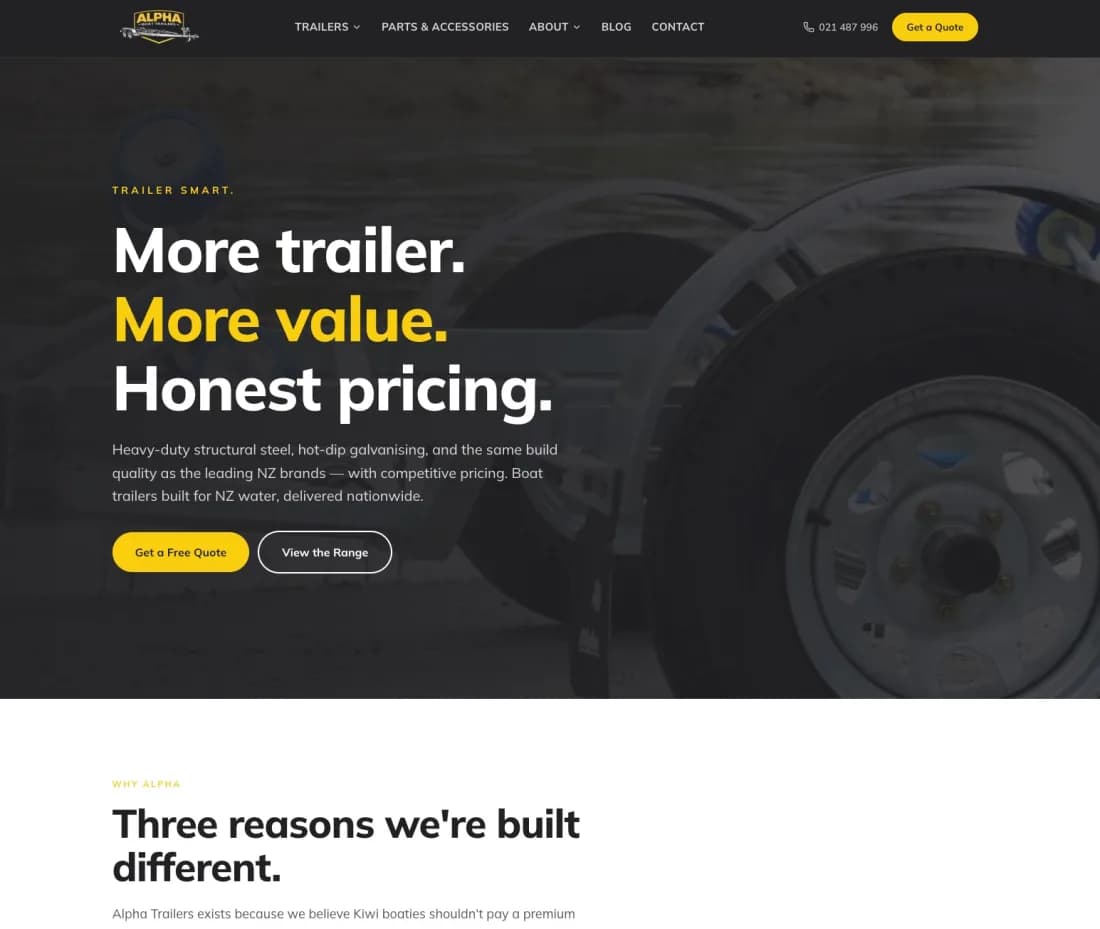
Alpha Trailers
A tired WordPress site replaced with a fast, search-optimised website - built with AI, live in six weeks. The owner now edits it himself in plain English.
199
Google clicks, first week
4,360
Impressions, first week
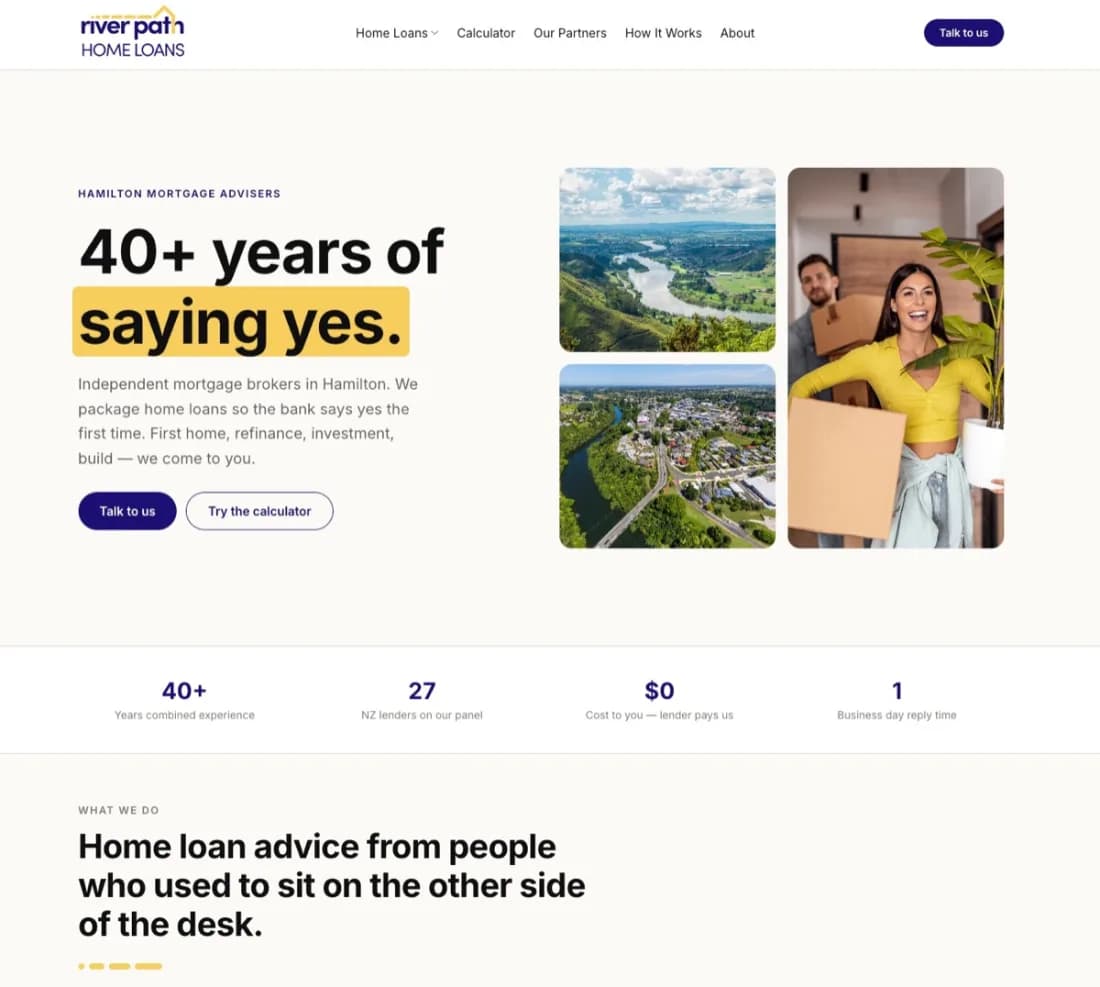
River Path Home Loans
A team of mortgage advisers left an established brokerage to start their own firm - no brand, no website, no online presence. Seven days later they had all three.
7
Days to launch
55+
Pages built

PPC Foiling
From 7 dealers to 95 - how a Kiwi wing foiling brand built a global B2B channel from scratch with King Tide.
7→95
Dealers across NA & Europe
Consistent
Reorders from dealer network
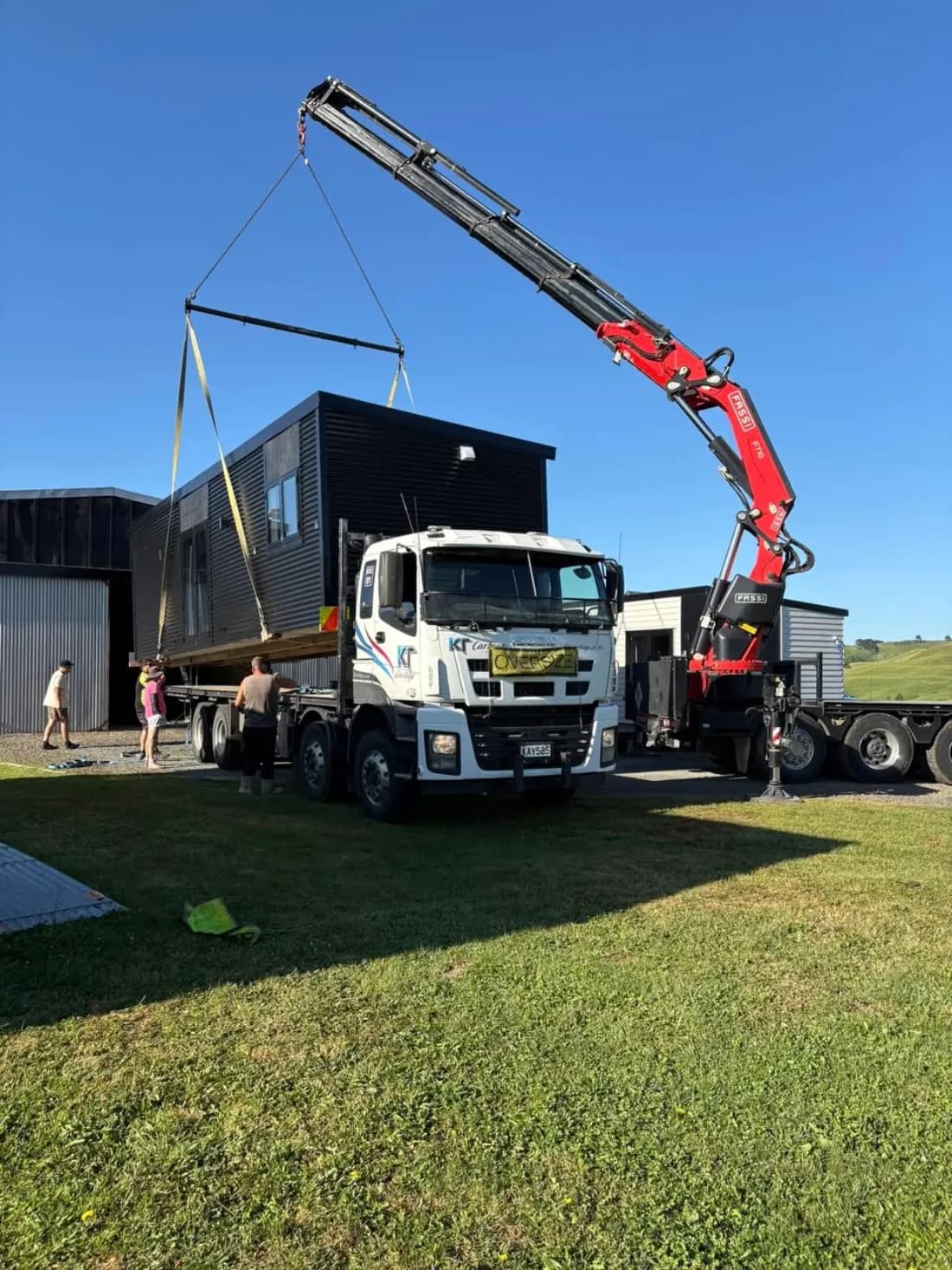
Smart Housing Solutions
From tyre-kickers to 6 signed contracts in two weeks. How a husband-and-wife tiny home business in New Zealand transformed their marketing from scattered to strategic.
6
Contracts in 2 weeks
10+
Quality leads per week
Testimonials
Don't just take our word for it.
“We needed a brand new website, and honestly, it turned out amazing - exactly the fresh, professional look our growing business needed. But the real win has been the results: since working with King Tide, our Google traffic has jumped a massive 336%, and we haven't spent a cent on Google Ads to get there. All organic, all King Tide.”
Ray George
Alpha Trailers
“King Tide have been helping me with marketing for my business and have done an amazing job! My phone doesn't stop ringing, and my website leads are at an all time high! Highly recommend this company!”
Conrad Dixon
Airmax
“King Tide exceeded expectations. Communication was excellent from the initial planning stages right through execution, with clear updates every step of the way. We had a tight deadline and an urgent situation, and they delivered on time without compromising quality. The results have been fantastic so far, and I'm looking forward to building a long-term relationship with a trusted business partner. Highly recommended.”
Mike
Voltage Bikes
“The team deliver results at more than twice the pace and impact than normal marketing executives. A real hands on do and deliver team. Jumping from strategy to execution and results in days. The best marketing exec I have ever worked with.”

Mark Robotham
CEO, Manta5
“Louis has a rare and hard-to-find talent for reaching and engaging a target market. He made marketing a core competency of our business. I'm still blown away by the reach and engagement we had on social media and the thousands of enquiries we received over the years.”

Guy Howard-Willis
Founder, Torpedo 7
“The foiling industry is super competitive, and standing out isn't easy. We've made huge progress - we're selling more to end consumers and signing up dealers faster than we ever have. It's momentum.”

Sam Loader
Founder, PPC Foiling
“The team at King Tide are great people to work with. They strike a rare balance between big picture strategic thinking and sharp execution to ensure they deliver actual results, not just glossy reports. Highly recommend.”

Greg Johnston
37 South Capital
“Louis and Ella at King Tide are incredible, after a full brief, intel gathering and outlining our current frustrations and what we were looking for, these guys delivered!! Not only were they incredibly responsive, but they were also intuitive to tap into our Industry to produce result quickly, collaboratively and without fuss - would 100% recommend.”

Cherrie Wheeler
Presto Resourcing
“We've been using King Tide for 12 months as a general advisor for all marketing. The improvement we've seen in our business is off the charts and I see no other reason for it. They're awesome to deal with, incredibly knowledgeable, and their advice works. Can not recommend enough.”

Jake
RB Thomas Building